


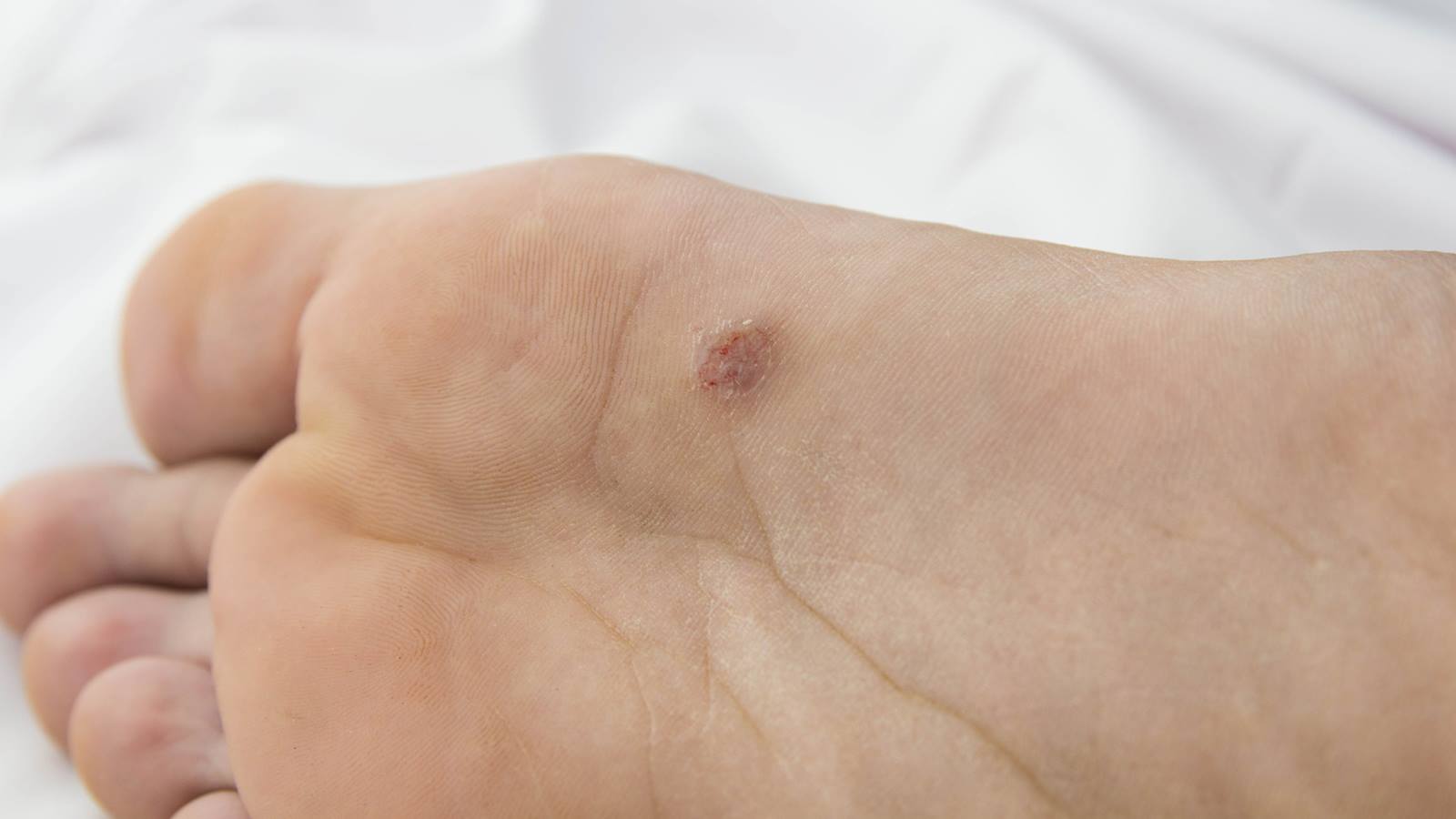

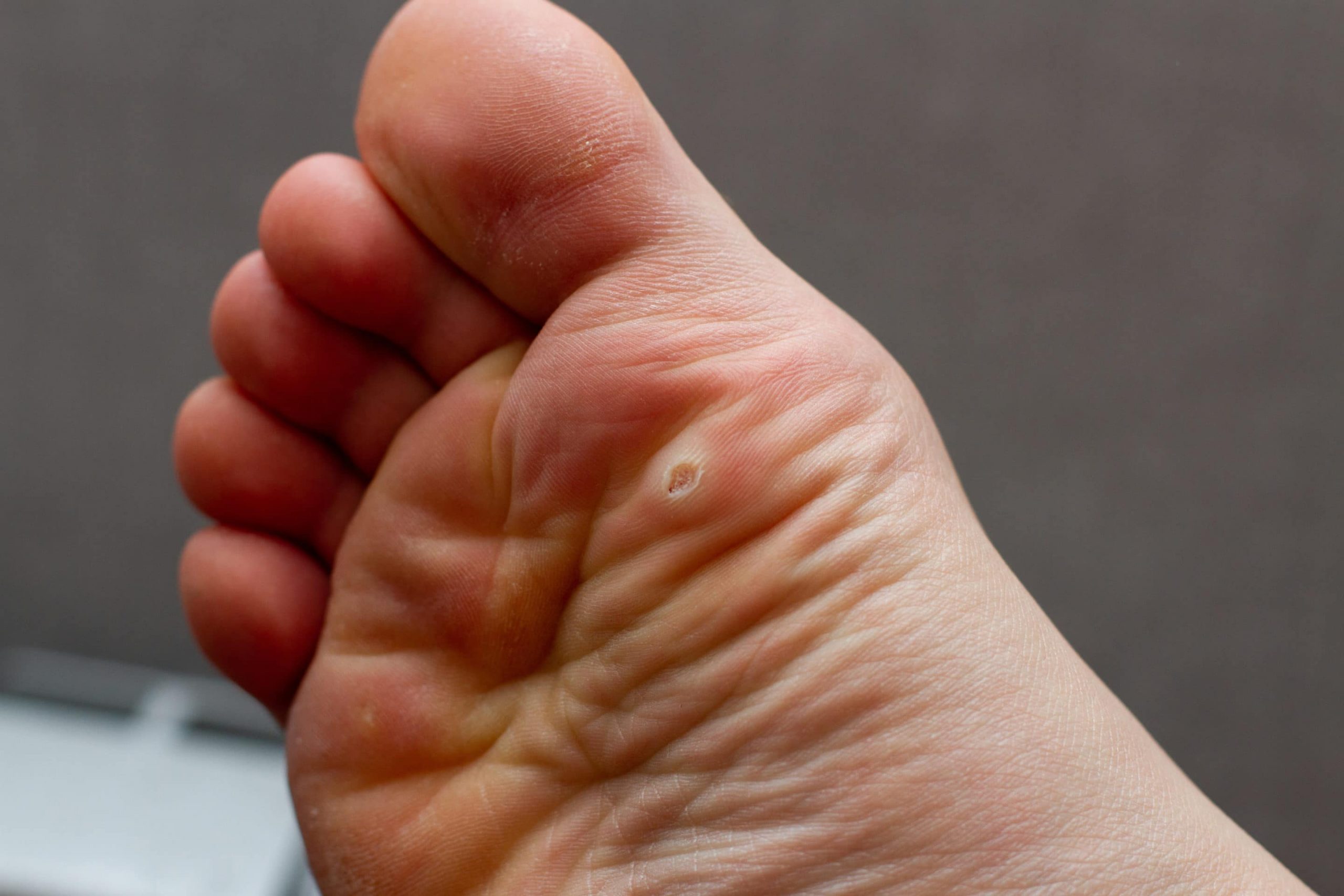

Calluses/corns form when there’s pressure or friction against your feet and toes. In response to the pressure, the skin will thicken over time to create a corn or callus. They’re usually not a medical concern, but if you have diabetes or poor circulation, they may lead to complications. Whether you need diabetic foot care or dislike the appearance of calluses, Dr. Tucker can help provide the treatment you need. She’ll also check your feet for other skin conditions such as warts, rashes, blisters and cysts.
A callus is a thick, hardened layer of skin. They form in response to pressure and friction because your skin is trying to protect itself from injury. They usually appear on your feet (especially the soles), toes, hands, and fingers.
People often develop calluses as a result of their feet or toes repeatedly rubbing against their footwear. If you don’t wear socks with shoes, or your shoes are too tight, you’re likely to develop a callus. Certain shoe styles, including high heels, are especially likely to cause calluses.
Calluses aren’t the only foot problem that results from repeated friction and improperly fitting shoes. Often, people who have bunions, hammertoe, and bone spurs also have calluses.
Calluses feel bumpy to the touch and are less sensitive than the surrounding skin.
As long as your callus doesn’t hurt, you don’t need to seek treatment, but you should determine what’s causing it. Usually, the callus heals on its own once the friction or pressure causing it stops. So, for example, if your shoes are too tight or worn out, wearing properly fitting, supportive shoes should allow the callus to heal.
Always seek medical attention for a callus if you have diabetes. A callus can break down and lead to a diabetic foot ulcer, which can become infected and lead to serious complications if not treated properly.
If you get treatment for a callus at Tucker Foot and Ankle, Dr. Tucker may try approaches that include:
Dr. Tucker also examines your foot for other problems that may have contributed to the callus.
If you have diabetes, and a foot ulcer forms under the callus, Dr. Tucker may perform a debridement, where he removes dead tissue so the wound can heal properly. He may also recommend diabetic footwear to support your feet and reduce the likelihood of calluses and other causes of diabetic foot ulcers.