


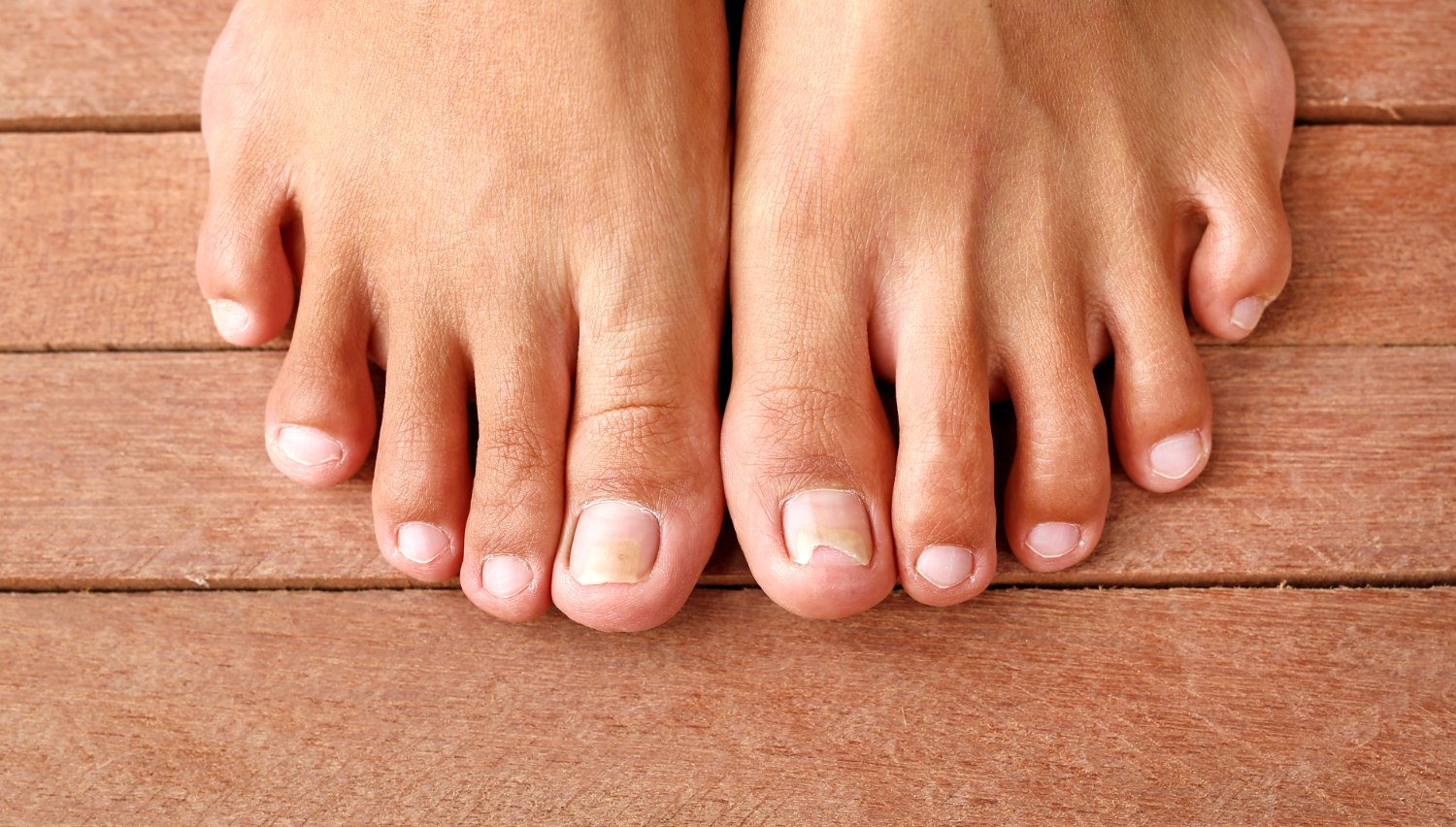
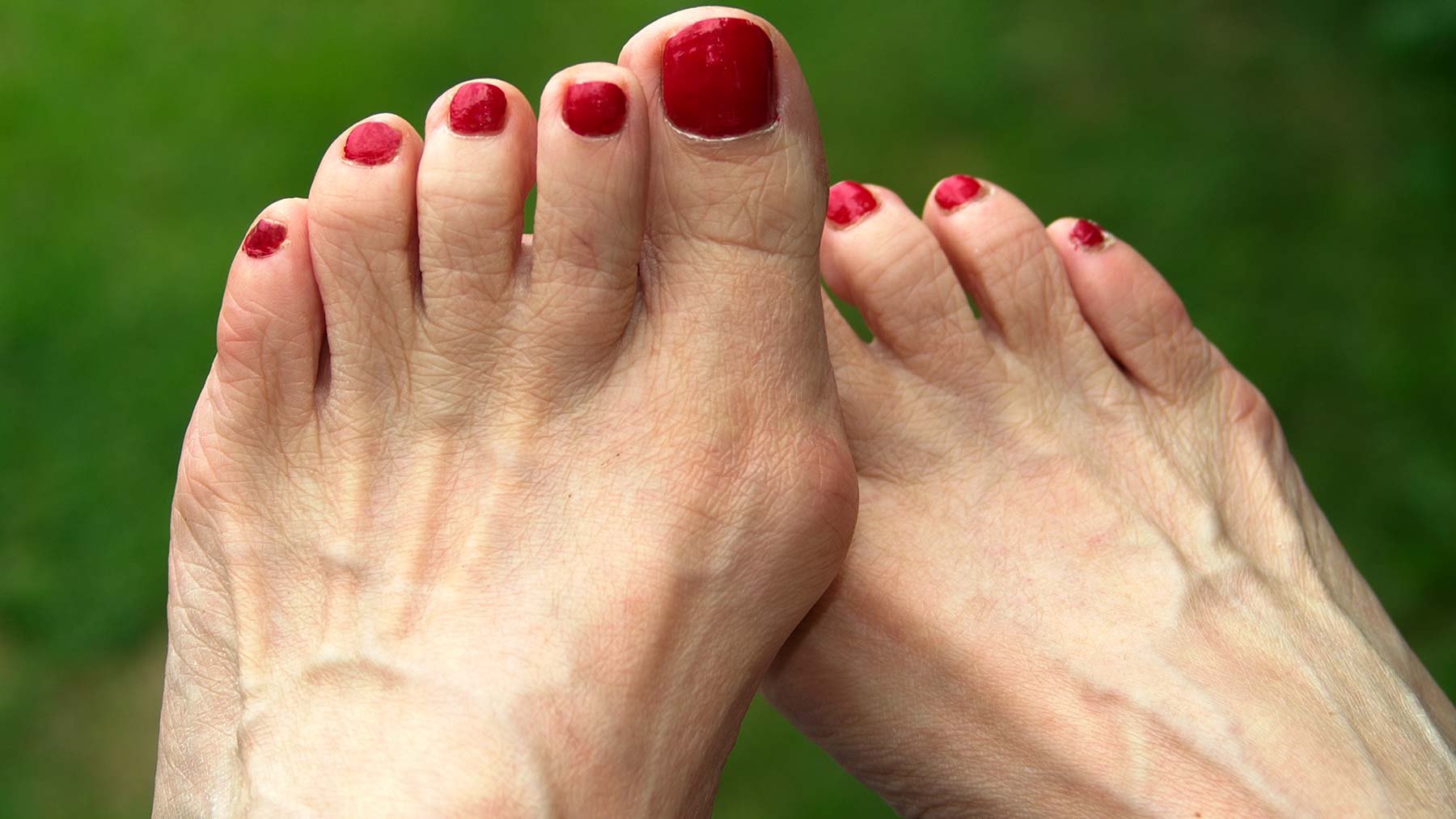
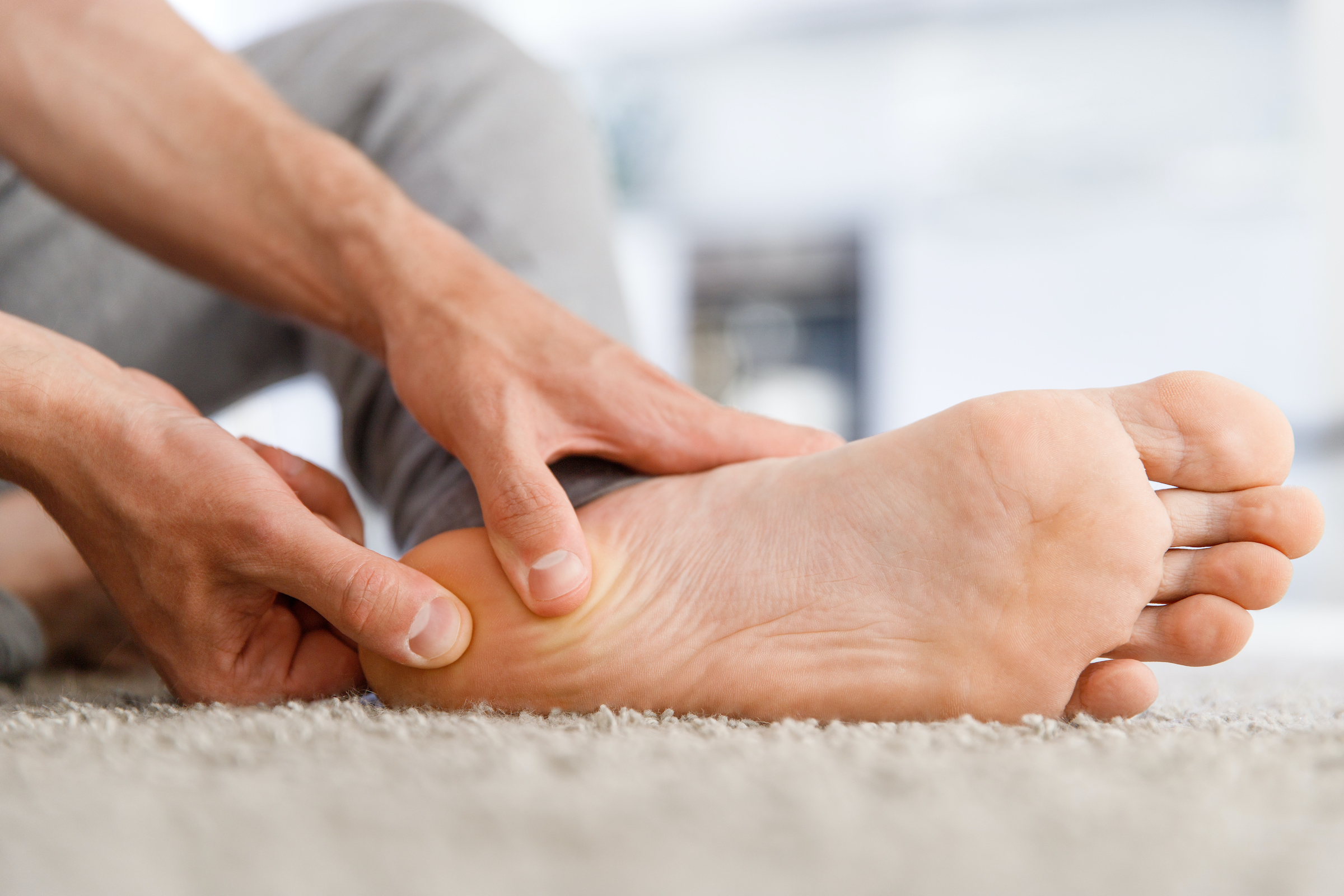

Calluses/corns form when there’s pressure or friction against your feet and toes. In response to the pressure, the skin will thicken over time to create a corn or callus. They’re usually not a medical concern, but if you have diabetes or poor circulation, they may lead to complications. Whether you need diabetic foot care or dislike the appearance of calluses, Dr. Tucker can help provide the treatment you need. She’ll also check your feet for other skin conditions such as warts, rashes, blisters and cysts.
Corns are thick, hardened areas of skin that develop as a result of excess friction. Corns usually develop on areas of your feet that aren’t weight-bearing, typically on the tops and sides of your toes. While corns aren’t dangerous, they can be painful, especially when they’re inflamed.
Most corns have the following characteristics:
Again, corns don’t usually represent a serious medical problem, but they can hamper your ability to move without discomfort. Also, if you have a pre-existing medical condition, such as diabetes, corns can be a cause for concern.
Corns develop when your skin tries to protect itself against excessive friction. This means that ill-fitting footwear is the usual suspect when it comes to corns. As well, wearing shoes without socks can also lead to corns.
Outside of footwear, corns can also form as a result of:
In most cases, these simple measures are enough to remedy your corns, which you can keep soft and moisturized in the meantime.
If your corns are aggressive, Dr. Tucker responds in kind and offers in-office surgical removal for a more permanent solution for your corns. This is a minimally invasive outpatient procedure.
It should be noted that you should avoid trying to remove corns on your own by cutting or “sanding” them, especially if you’re a diabetic. Trying to remove a corn on your own may lead to an open wound, which can be particularly dangerous for those who have circulation problems in their lower extremities.
For expert corn care, schedule an appointment at Tucker Foot and Ankle online or over the phone.